
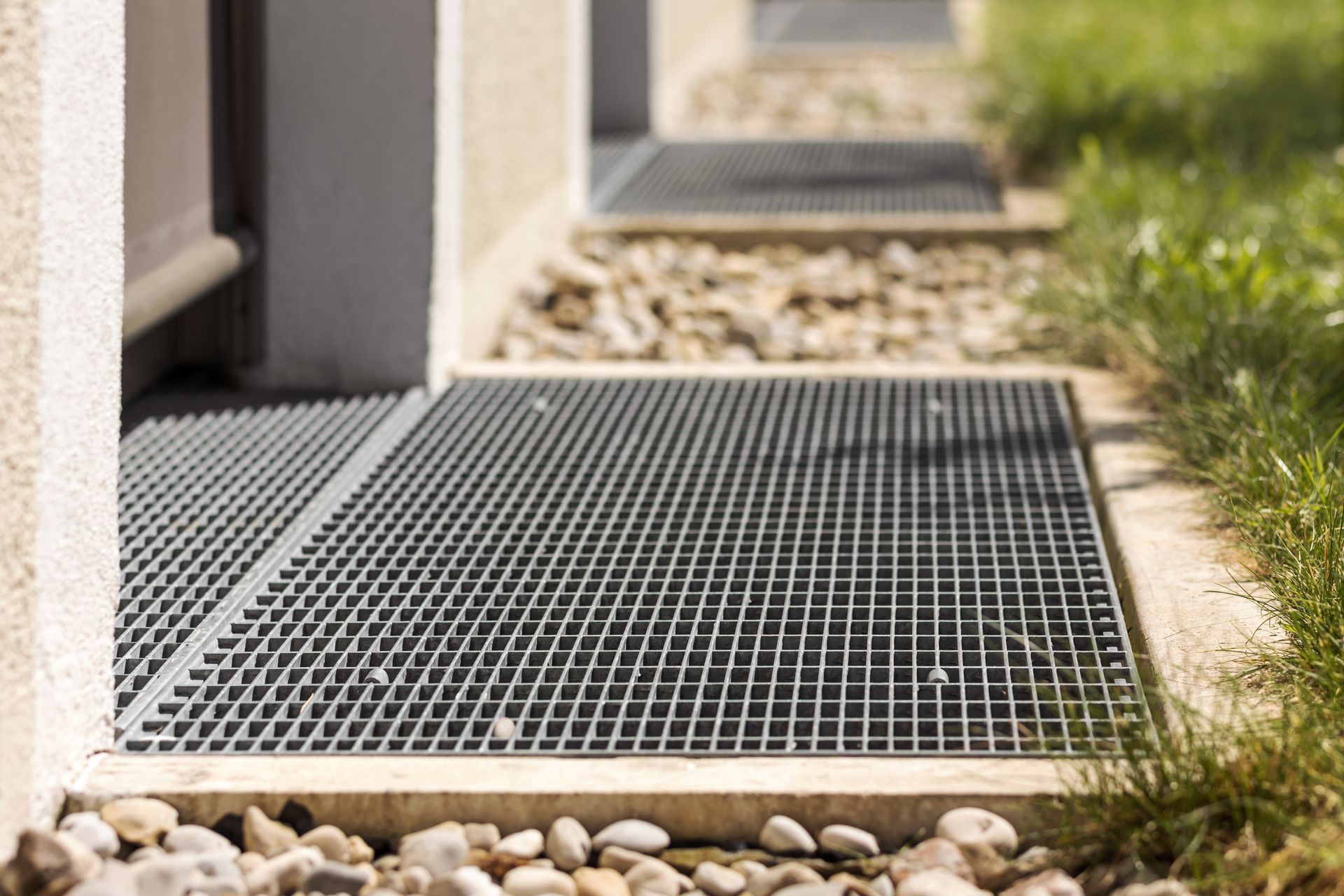
Drainage That Actually Prevents Flooding
French Drain Systems & Exterior Drainage in Avoca for properties experiencing foundation moisture, standing water, or landscape erosion
Water that collects against your foundation saturates soil, creates hydrostatic pressure that forces moisture through basement walls, and undermines footing stability over repeated freeze-thaw cycles. Quality Roofing LLC designs and installs French drain systems and exterior drainage solutions across Avoca that redirect water away from structures before it causes damage. The Southern Tier's clay-heavy soils drain slowly, meaning water from roof runoff, spring melt, or storm events lingers near foundations long enough to seep through cracks and joints. A properly installed drainage system intercepts that water and channels it to a discharge point where it no longer threatens your home.
Installation involves excavating a trench alongside the foundation or across the slope where water collects, lining it with landscape fabric to prevent soil intrusion, then placing perforated pipe within a gravel bed that allows water to enter from all sides. The pipe is sloped to maintain flow toward the discharge location, and the trench is backfilled with additional gravel before topsoil is replaced and graded to direct surface water into the system.
Schedule a property evaluation to identify specific drainage concerns and discharge routing options.
How Drainage Systems Address Foundation Problems
French drains function by creating a path of least resistance—water naturally flows into the gravel bed and perforated pipe rather than remaining in surrounding soil. The system lowers the water table immediately adjacent to your foundation, reducing hydrostatic pressure and eliminating the saturated conditions that cause efflorescence, mold growth, and interior humidity problems. Customized drainage solutions account for your property's topography, soil composition, and existing grading to ensure water is captured at the source and routed efficiently.
After installation, you'll notice standing water no longer collects in low areas of your yard, basement walls remain dry during rain events, and soil near the foundation is visibly drier even after heavy precipitation. Landscape plants that previously struggled in waterlogged soil show improved health as drainage removes excess moisture, and erosion patterns that created gullies or exposed roots are stabilized. Interior signs of moisture intrusion—musty odors, wall staining, or floor dampness—diminish as the drainage system prevents water from reaching the foundation.
Drainage work includes trench excavation and pipe installation, but does not repair existing foundation cracks or interior water damage caused by previous moisture intrusion. If your foundation has structural issues from long-term water exposure, those repairs are completed separately to restore integrity before the drainage system is installed.
Common Questions About Drainage Systems
Property owners dealing with water problems want to understand how drainage systems function and what results to expect before committing to excavation work.
What determines where the drainage system is installed?
Water flow patterns, foundation depth, and the location of dry wells or discharge areas all influence trench placement—systems are positioned to intercept water before it reaches vulnerable areas.
How does soil type affect drainage performance?
Clay soils in the Avoca region drain slowly, which is why the gravel bed around the perforated pipe is essential—it creates a permeable zone that collects water faster than surrounding clay and channels it into the pipe.
When should drainage work be completed?
Systems are best installed during dry weather when soil is workable and trenches remain stable, typically late spring through early fall when ground conditions allow efficient excavation.
What maintenance does a French drain require?
Periodic flushing of the pipe removes sediment buildup, and inspection of the discharge point ensures water exits freely without obstruction—blockages reduce system effectiveness and allow water to back up toward the foundation.
How do you prevent the drainage pipe from clogging?
Landscape fabric wraps the gravel bed to filter soil particles before they enter the pipe, and proper slope ensures water velocity carries fine sediment through the system rather than allowing it to settle and accumulate.
Quality Roofing LLC installs drainage systems using durable materials and customized routing designed for long-term property protection. Request a free estimate to review site conditions and system design options suited to your drainage challenges.