
Insulation That Holds Conditioned Air
Home Insulation Services in Avoca for homes with uneven temperatures, high energy costs, or aging attic insulation
Inadequate insulation allows heat to escape through attics, walls, and crawl spaces, forcing your heating system to run longer to maintain comfort while energy costs climb. Quality Roofing LLC installs attic and home insulation upgrades across Avoca that improve thermal performance by increasing R-value—the measure of insulation's resistance to heat flow. Winter temperatures in the Southern Tier regularly drop below freezing for extended periods, meaning homes without sufficient insulation lose heat continuously, creating cold spots in upper floors and ice dam conditions where escaping warmth melts roof snow. Insulation upgrades address these problems by creating a thermal barrier that slows heat transfer and reduces the workload on your HVAC system.
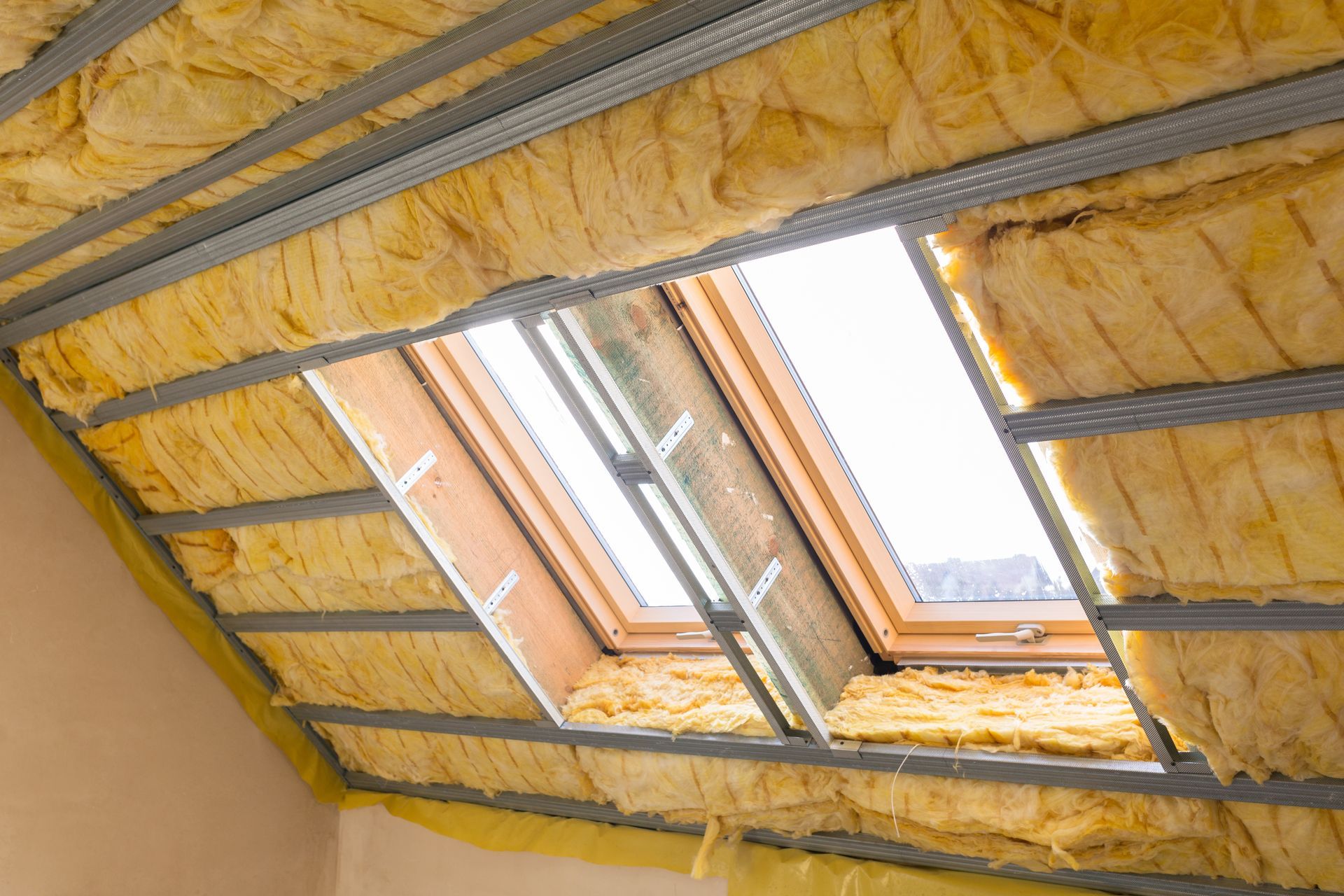
Installation begins with assessing current insulation depth and condition, then adding material to reach code-recommended R-values for your climate zone. Blown-in insulation fills gaps around framing and wiring that batt insulation leaves exposed, while air sealing around penetrations prevents convective heat loss through attic bypasses. Ventilation is maintained to allow moisture escape and prevent condensation that degrades insulation performance over time.
Schedule a free estimate to evaluate your current insulation levels and identify upgrade options.
What Changes After Insulation Performance Improves
Upgraded insulation reduces the temperature difference between living spaces and unconditioned areas, which is why you'll notice more consistent temperatures across rooms once installation is complete. Heating systems cycle less frequently because the home retains warmth longer, and rooms that previously felt drafty or cold maintain comfort without supplemental heating. Reduced air leakage means less dust infiltration from attics and crawl spaces, improving indoor air quality alongside energy efficiency.
Energy bills decrease as your heating and cooling systems run fewer hours to maintain the same indoor temperature. Ice dams become less frequent because reduced heat loss through the roof prevents uneven snowmelt that refreezes at eaves. Attic spaces remain cooler in summer, reducing the radiant heat load that transfers into living areas below and causes upper floors to overheat during warm months.
Insulation services include material installation and air sealing around attic penetrations, but do not include roof repairs, ventilation system upgrades, or removal of contaminated insulation caused by pest infestations or water damage. Those issues are addressed separately to ensure new insulation is installed into clean, dry spaces that support long-term performance.
What Property Owners Usually Ask
Homeowners considering insulation upgrades want to understand how the work affects energy costs and what installation involves before committing to the project.
What insulation depth is recommended for the Southern Tier?
Building codes specify minimum R-values based on climate zone—attics in this region typically require R-49 to R-60, which translates to roughly 14 to 19 inches of blown fiberglass or cellulose insulation depending on material density.
How does air sealing improve insulation performance?
Gaps around wiring, plumbing, and ductwork allow air to move through insulation, bypassing the thermal barrier—sealing these pathways before adding insulation ensures heat transfer occurs only through the insulation material itself, not around it.
When should attic insulation be replaced rather than supplemented?
If existing insulation is compressed, water-damaged, or contaminated by pests, it has lost R-value and should be removed before new material is installed to achieve target performance levels.
What installation methods work best for different areas?
Blown-in insulation is ideal for attics because it fills irregular spaces and covers joists completely, while batt insulation works in accessible wall cavities during remodeling when framing is exposed.
How quickly do insulation upgrades affect energy costs?
Most homeowners notice reduced heating and cooling bills within the first full month after installation, as systems run fewer hours to maintain comfort and energy consumption drops proportionally.
Quality Roofing LLC uses quality insulation materials installed by experienced crews to ensure proper coverage and long-term value. Contact us to arrange a consultation and review insulation options suited to your home's current condition.