
Waterproof Protection Built for Low-Slope Structures
Rubber & Flat Roof Systems in Avoca for garages, additions, and commercial buildings requiring durable low-slope coverage
Quality Roofing LLC installs rubber and flat roof systems designed to handle the waterproofing demands of low-slope structures across Avoca and the Southern Tier. These systems address the unique challenge of surfaces that cannot shed water through gravity alone, requiring materials that form a continuous, watertight barrier. Properties with attached garages, flat-roofed additions, or commercial buildings rely on this approach when pitched roofing is not structurally feasible.
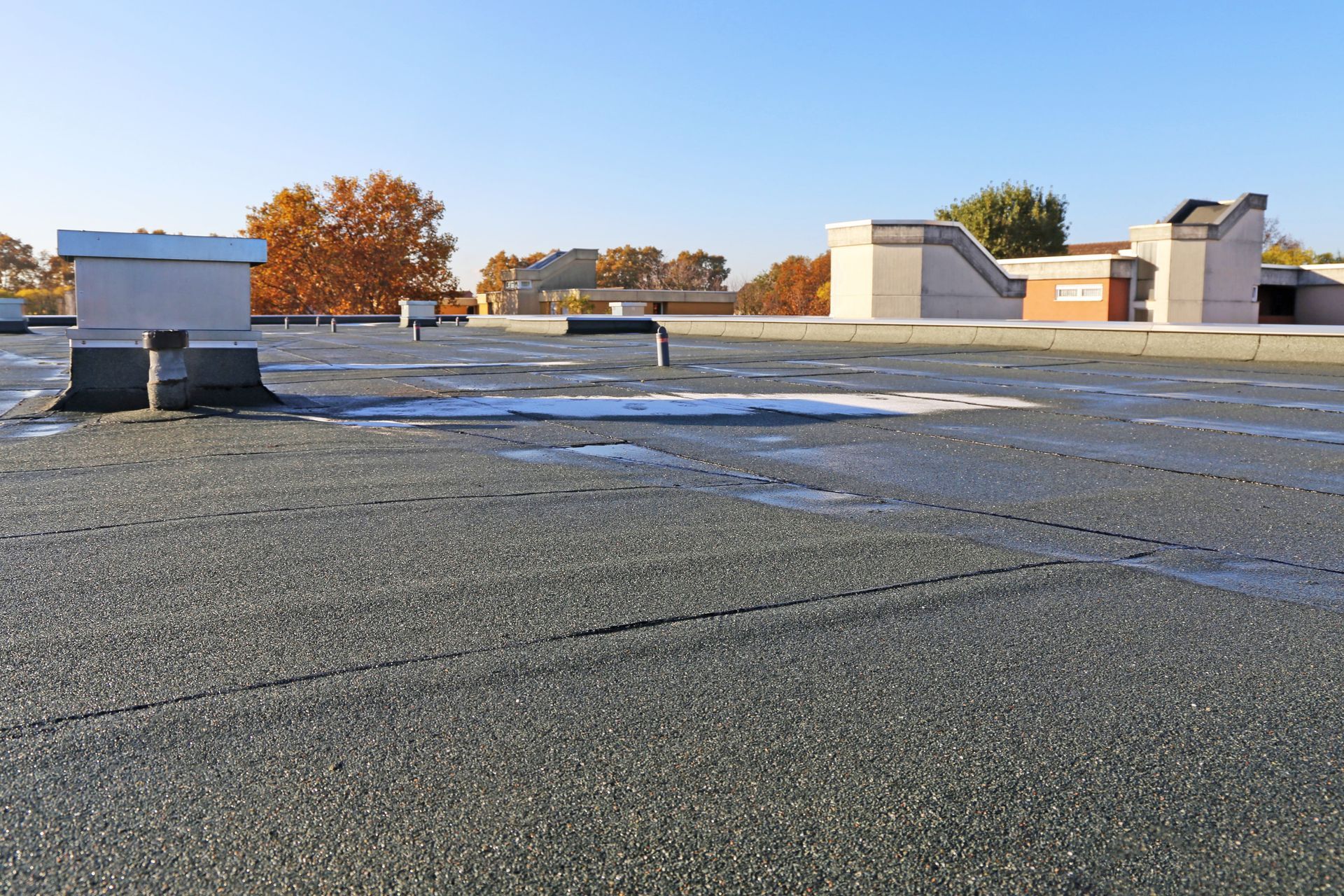
Flat roofing systems use membranes and reinforced materials engineered to resist standing water, freeze-thaw cycles, and UV exposure common in New York weather conditions. The installation process creates sealed seams and proper drainage pathways to prevent ponding, which accelerates material breakdown and leads to interior leaks. These systems protect structures where traditional shingle roofing cannot perform adequately.
Schedule a free estimate to evaluate your property's flat roofing requirements and material options.
What Proper Flat Roofing Systems Require
Installation begins with deck preparation and insulation assessment, followed by membrane application using heat-welded seams or adhesive bonding depending on the material selected. Flashing details around penetrations, parapets, and roof edges receive reinforced treatment to prevent the entry points where most flat roof failures originate. Drainage is engineered to direct water toward scuppers or internal drains, eliminating low spots where water collects and deteriorates the membrane.
After installation, you will notice that water no longer pools on the surface during rainstorms or snowmelt events, and interior ceilings remain free of staining or moisture damage. The roof surface appears uniform without bubbling, cracking, or separating seams that indicate installation defects. Quality Roofing LLC uses materials selected for long-term performance in freeze-thaw conditions, which extends replacement intervals compared to lower-grade membranes.
Flat roof systems require different maintenance than pitched roofs, including periodic inspections to clear drainage pathways and check seam integrity. Repairs address punctures, seam separation, or localized membrane damage before water infiltration spreads to surrounding areas. Replacement becomes necessary when membrane deterioration is widespread or when multiple repair zones indicate systemic failure.
Questions Before Starting Your Roofing Project
Flat roofing involves specific material choices and installation methods that differ significantly from pitched roof systems, and property owners in Avoca often ask about performance expectations and maintenance requirements before committing to installation or replacement.
What materials work best for flat roofing in New York?
Rubber membranes, TPO, and modified bitumen systems all perform well in freeze-thaw cycles, with selection depending on building use, budget, and expected roof lifespan. Each material offers different seaming methods and durability characteristics suited to commercial or residential applications.
How does drainage work on a flat roof?
Even flat roofs are sloped slightly toward drains or scuppers to prevent standing water, typically at a quarter-inch per foot. Proper drainage design is critical in the Southern Tier, where heavy snow loads and spring runoff can overwhelm undersized drainage systems.
When should a flat roof be replaced instead of repaired?
Replacement is warranted when more than thirty percent of the membrane shows deterioration, when leaks occur in multiple locations, or when the underlying deck has sustained water damage. Isolated damage can often be repaired if the surrounding membrane remains intact.
What maintenance does a flat roof require?
Seasonal inspections should clear debris from drains, check seam integrity, and identify punctures or wear areas before they allow water penetration. Preventative maintenance extends roof lifespan by addressing minor issues before they require costly repairs.
How long does a rubber or flat roof system last?
Quality materials installed correctly typically perform for twenty to thirty years, depending on maintenance frequency and weather exposure. Lifespan varies based on membrane type, installation quality, and how well drainage systems function over time.
Quality Roofing LLC provides experienced installation and dependable workmanship for flat roofing projects throughout the Southern Tier, backed by warranties on materials and labor. Request a free estimate to review your building's roofing needs and explore material options suited to your budget and performance requirements.